On this page
Here is the open secret of this category: almost every "best GEO agencies" list on the internet is published by an agency that put itself first. This page is no exception, and we would rather tell you in the first paragraph than hope you skip the byline. Technotize is a generative engine optimization agency. We are listed first. The difference we can offer is not neutrality, it is checkability: every agency below comes with named work and a named source, every pricing figure carries attribution, and our own proof links to client pages with numbers the clients control.
You are reading this because AI answers started deciding purchases in your category and you need someone who can get your brand into them. The agencies below can genuinely do versions of that work. They differ in model, price, and the kind of company they fit, and by the end of this page you will know which one matches yours, plus the exact questions that expose the pretenders who added GEO to their pitch deck last quarter.
01How we judged these GEO agencies
Every agency here, five checks, no exemptions for the author.
One: the agency's own AI answer presence, citations across the six major platforms pulled fresh from Ahrefs, because a firm selling AI visibility should show up in some answers itself. Two: whether GEO sits on real SEO foundations or floats alone as a buzzword, since Google's own guidance says optimizing for AI search is still SEO. Three: published evidence, meaning named clients with numbers rather than adjectives. Four: pricing transparency, which almost nobody offers and which is therefore a differentiator by itself. Five: fit clarity, because the right agency for a Fortune 500 retailer is the wrong one for a Series A SaaS.
One market fact frames everything here. Google-commissioned buyer research from October 2025 puts roughly 60 percent of business buyers inside AI tools during the purchase process, and Fortune's coverage of Profound's Series C reported the company's finding that up to 90 percent of cited sources in AI answers can change over time. Buyers moved in, and the answers keep moving. That combination is why this category exists and why the work below is a retainer, not a project.
GEO agency, AEO agency, generative AI search engine optimization agency: one hire, four names
The discipline goes by generative engine optimization, answer engine optimization, AI search optimization, and LLM SEO depending on who is talking. A generative AI search engine optimization agency and a GEO agency are the same hire. The names split by audience, marketers say AEO, researchers say GEO, developers say LLM SEO, but the underlying work, making your brand the thing AI systems cite and recommend, does not change with the label. Judge the work, not the acronym.
Is generative engine optimization a real thing?
Google's People Also Ask box carries that exact question on this search, which tells you how much of the market thinks this is a rebrand with a price tag attached.
Half of the scepticism is earned. Agencies that added a GEO line to an existing SEO deck in one quarter, changed nothing about the work, and raised the retainer are the reason the question exists. The other half is wrong, and the difference is measurable: AI answers draw from a source pool that overlaps with but does not match the top ten blue links, which is why a brand can own page one and be invisible in ChatGPT the same week. Work that moves one does not automatically move the other.
The honest position: GEO is not a separate discipline, it is SEO measured against new scoreboards, plus a genuinely new instrumentation layer. Anyone charging a separate premium for the label rather than the instrumentation is selling you the acronym.
02The best generative engine optimization agencies at a glance
One-glance version first, receipts in the entries.
| Agency | Best for | Model | Verified work (source) |
|---|---|---|---|
| Technotize | B2B SaaS that wants the work done and measured | GEO on audited SEO authority | Workwize: 700+ citations across 6 LLMs (client-approved case page) |
| Skale | Growth-stage SaaS wanting AI visibility tied to pipeline | AI-search-first SEO, links and content | Rezi, Attest, Flodesk outcomes plus a 90-day GEO case (own materials) |
| Omniscient Digital | Funded B2B SaaS wanting strategy-led organic growth | SEO, GEO and content strategy | Published GEO research and provider evaluations (own materials) |
| First Page Sage | Enterprises wanting a research-heavy partner | Thought-leadership SEO plus GEO | Industry-cited research reports, enterprise GEO line (own materials) |
| Directive | Enterprise B2B running paid and organic together | Performance marketing plus GEO | Enterprise B2B programs, paid, organic and AI unified (published cases) |
| Siege Media | Mid-market up, content engine plus AI visibility | Content-led SEO plus GEO | Instacart: 34,000+ LLM citations earned (published case) |
| Go Fish Digital | Technical-first teams, reputation-sensitive brands | Full-service plus proprietary GEO tooling | Published GEO tooling: audits, AI Overview analyzer (public materials) |
| iPullRank | Enterprise technical and entity work | Relevance engineering | Published relevance-engineering research (public record) |
| Minuttia | B2B SaaS wanting a specialist at published prices | Content marketing plus GEO, own tracking | Published pricing from $4,000, named B2B SaaS casework (own materials) |
| NP Digital | Brands wanting a famous, research-heavy bench at scale | Full-service digital plus AI search | Global research engine and AI search practice (own materials) |
Source named per claim: client-approved case pages, the agency's published materials, or public record. Checked August 2026. Verify before you shortlist.
03The best GEO agencies, one by one
Order reflects fit for the reader this page is written for, a software company that needs AI visibility to produce pipeline. We publish the page and sit first; the sources below let you discount that however you see fit.
1. Technotize, best for GEO built on audited SEO authority
 Technotizetechnotize.io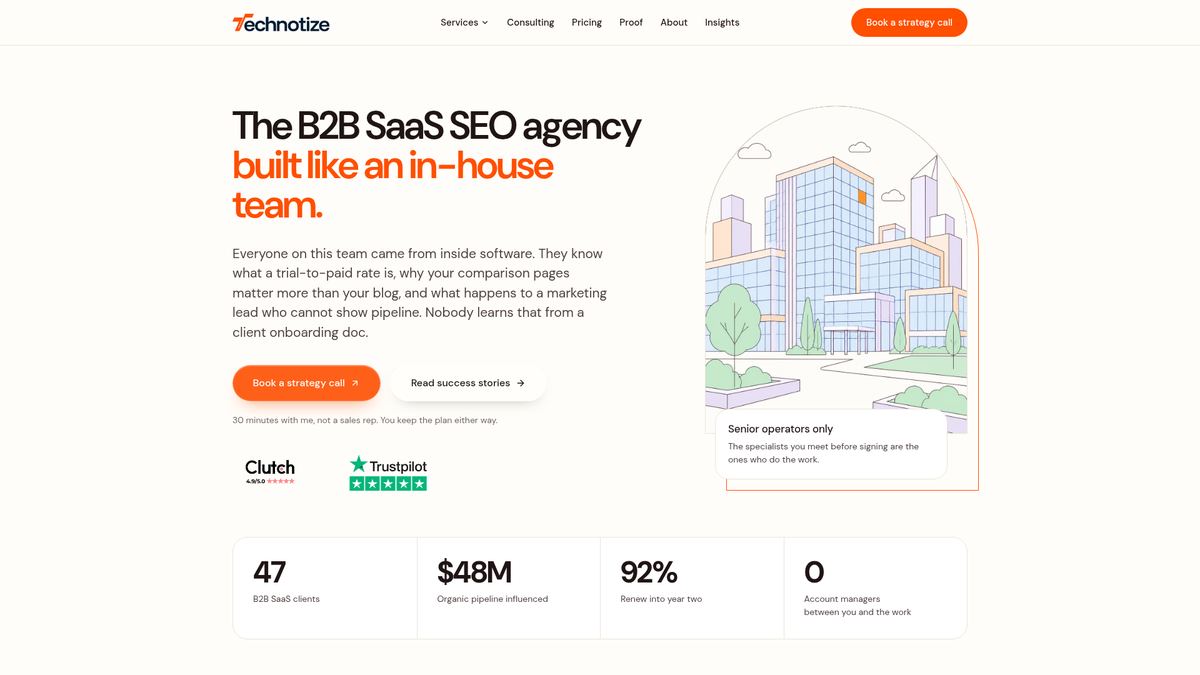
We treat generative engine optimization as the top layer of a stack that has to exist underneath it: domain authority, citable commercial content, clean entity and schema signals, and placements in the listicles and publications AI answers draw from. Programs run the full stack, and measurement comes from Ahrefs' AI answer data rather than our own scorecard, so clients see citations per platform the same way we do.
The reference numbers are public and client-approved. Workwize holds more than 700 citations across the six major LLM surfaces, built on 22 months of authority work, with the AI referral stream now landing leads next to a seven-figure monthly organic pipeline. Da Vinci, a warehouse platform recognised in Gartner's Midmarket Magic Quadrant, went from near-zero AI presence to 74 citations across Google AI Overviews, AI Mode, ChatGPT, Perplexity, Copilot and Gemini inside 11 months, while its domain rating climbed from 19 to 55.
Best for B2B SaaS companies between Series A and C that want one accountable partner doing and measuring the work, at mid-market cost.
Not for you if you want GEO as a standalone project. We will not sell the instrumentation without the authority work underneath it, and if your domain has no foundation the honest answer is that citations will not come.
2. Skale, best for AI visibility that has to produce pipeline
 Skaleskale.so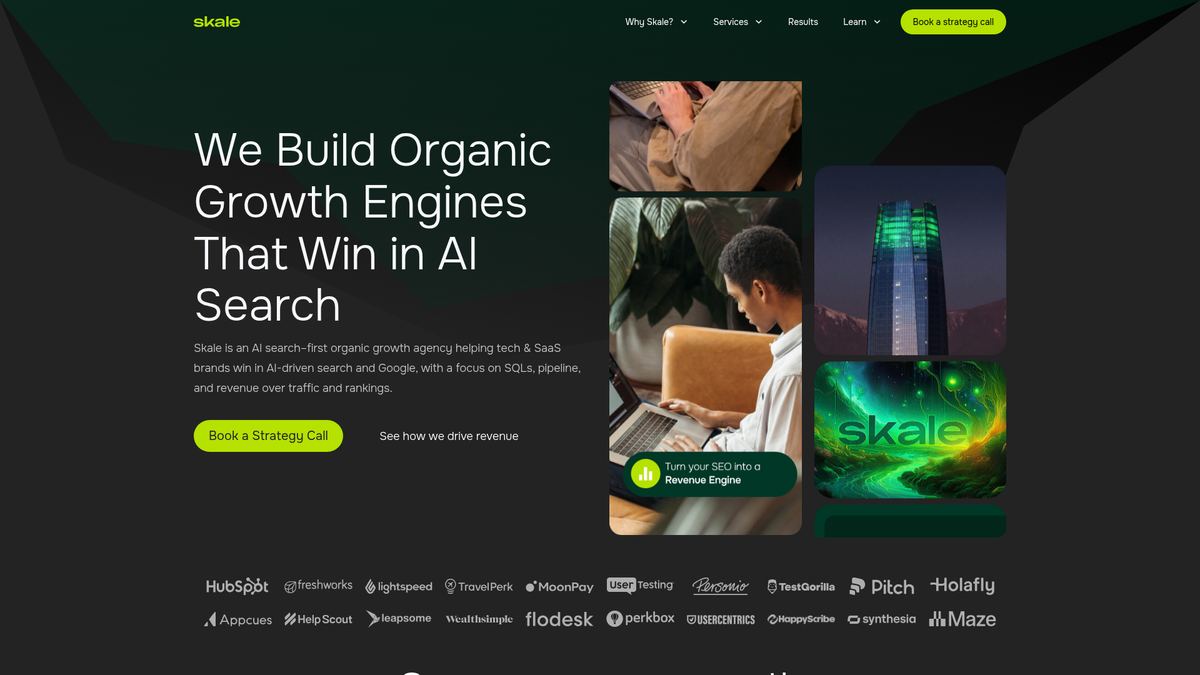
Skale has spent more than five years running SEO growth programs exclusively for SaaS brands and now positions itself as an AI-search-first organic agency, with a dedicated generative engine optimization service and a separate AI brand mentions practice aimed at getting SaaS companies named inside AI answers. The model is revenue-first rather than traffic-first: programs report against SQLs, pipeline and CAC payback, per its own materials. Its published client work is unusually specific for this category, with named SaaS outcomes including a reported 176 percent revenue lift for Rezi, 520 percent more demo requests for Attest and a 2,373 percent increase in free trials for Flodesk, alongside a published GEO case on taking a DeFi bridge to AI authority inside 90 days. Pricing is not published.
Best for growth-stage SaaS companies that want AI visibility measured in pipeline and want link acquisition and content handled in the same contract.
Not for you if you need a price before the first call. Skale does not publish one, so the floor stays behind a strategy call.
3. Omniscient Digital, best for strategy-led organic growth
 Omniscient Digitalbeomniscient.com
Omniscient runs organic growth for B2B software companies with GEO folded into a strategy-first model that starts from business goals rather than a count of things shipped. The Austin-based team publishes some of the category's more useful research, including its own evaluations of GEO and link building providers. Programs are higher-touch and priced accordingly, with strategy work preceding production.
Best for funded B2B SaaS companies that want a thinking partner across SEO, GEO and content rather than a placement vendor.
Not for you at seed stage. The strategy-first model assumes a budget that can absorb a discovery phase before anything ships.
4. First Page Sage, best for research-heavy enterprise work
 First Page Sagefirstpagesage.com
The research heavyweight of the list: its reports are the ones the rest of the industry cites, including the SEO ROI statistics we reference in our own materials. Its GEO offering extends a long-running thought-leadership SEO model aimed at enterprises with long sales cycles. The trade-off is scale, because this is a large firm with large-account economics.
Best for enterprises that want a research-driven partner whose own content demonstrably dominates its market.
Not for you if you need movement inside two quarters. Thought-leadership models compound slowly by design.
5. Directive, best for paid and organic under one roadmap
 Directivedirectiveconsulting.com
Directive positions GEO inside a broader performance marketing system for enterprise B2B, one vendor across paid, organic, and now AI visibility. The model suits companies that want channel strategy unified under a single roadmap and can resource an enterprise program. Its published casework centres on exactly that consolidation: enterprise B2B accounts running search, paid, and AI reporting under one attribution model.
Best for enterprise B2B teams consolidating search, paid and AI visibility with one accountable partner.
Not for you if organic is the whole mandate. You will be paying for a multi-channel structure you are not using.
6. Siege Media, best for AI visibility from a content engine
 Siege Mediasiegemedia.com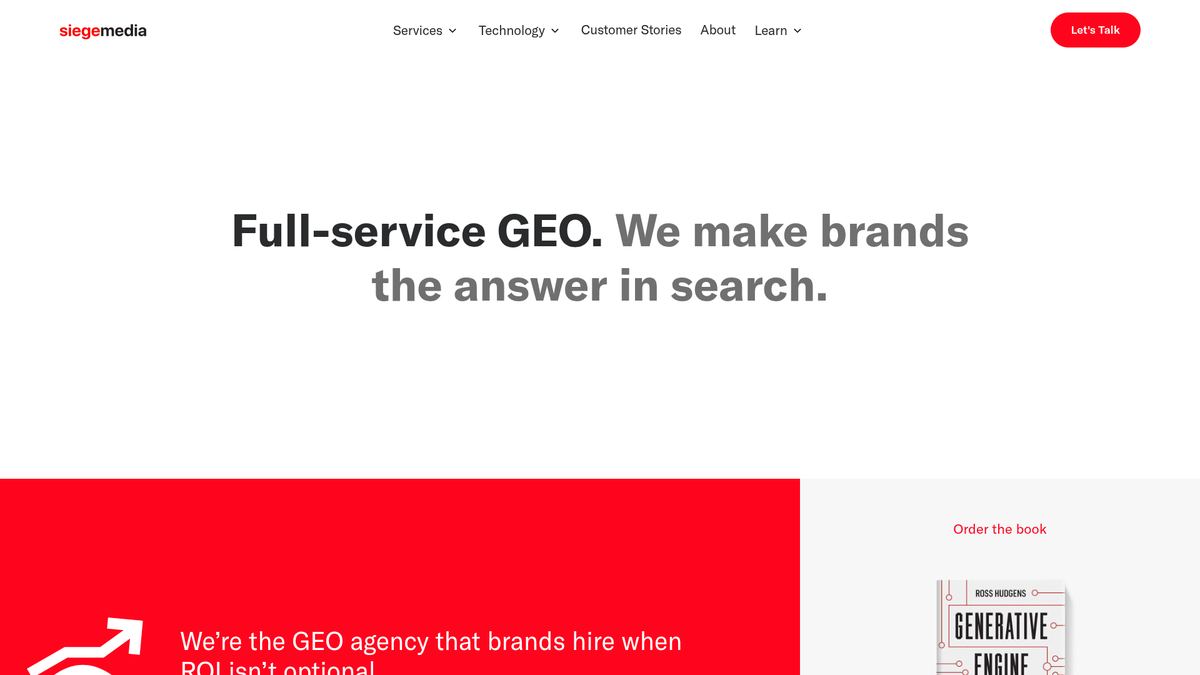
Siege approaches AI visibility the way it approaches everything: through content assets strong enough to earn their own links and citations. For GEO that is a genuine advantage, because the pages AI systems quote look exactly like the data-backed, well-structured assets Siege has produced at scale for years. Its published Instacart case reports more than 34,000 LLM citations earned alongside $73,000 in blog traffic value growth, per its own materials. Pricing sits at the premium end.
Best for mid-market and enterprise brands that want AI visibility to emerge from a serious content engine rather than bolt onto one.
Not for you if you want SaaS-only focus. Siege works across fintech, ecommerce and health as well.
7. Go Fish Digital, best for audits and instrumentation
 Go Fish Digitalgofishdigital.com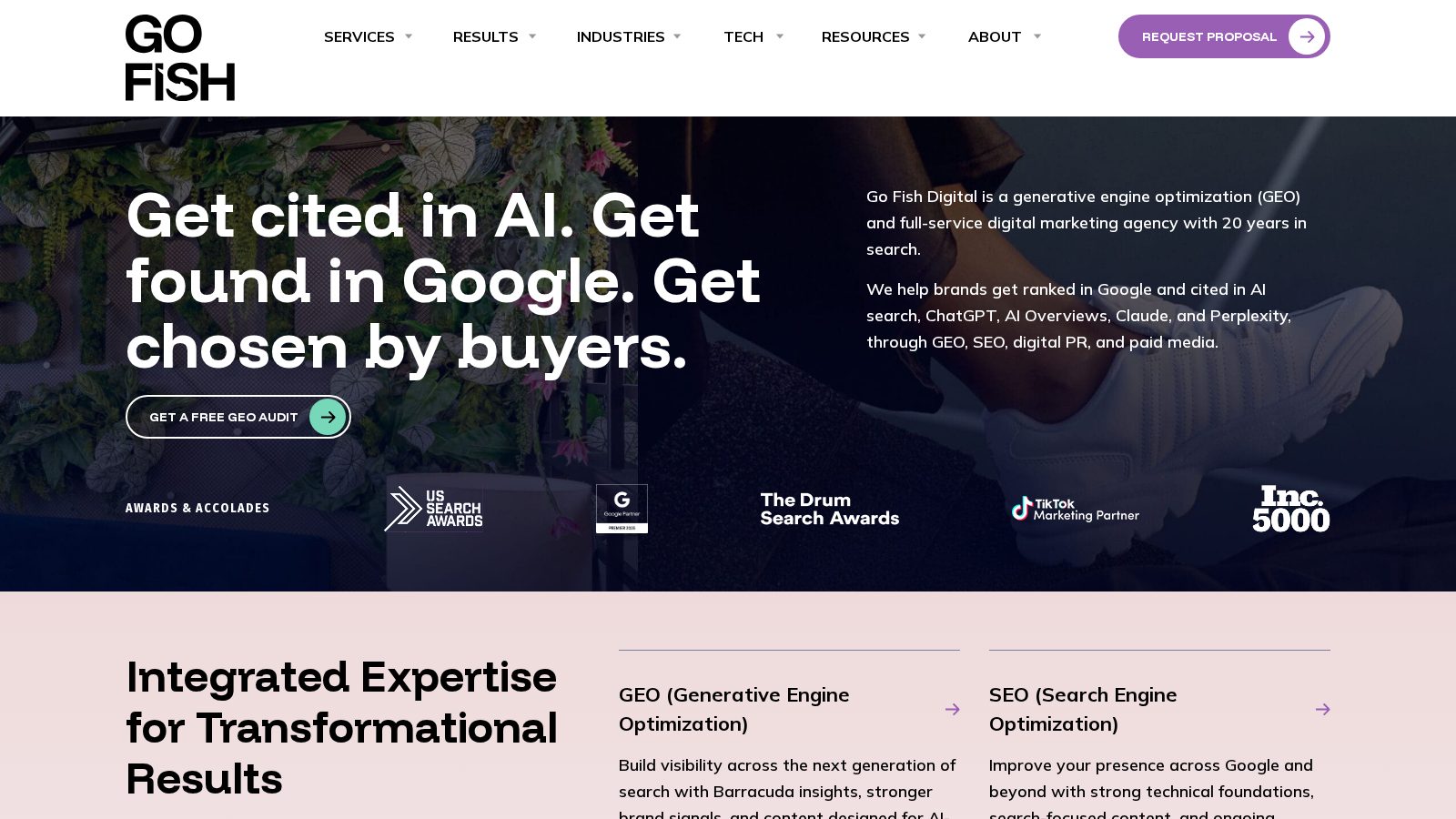
Go Fish brings the most visible tooling investment on this list, with a published internal kit that includes a semantic content audit, an AI Overview analyzer, and a page-evaluation system the team has described publicly. GEO work runs alongside full-service search and a reputation management practice, which matters for brands whose AI answers currently say the wrong things.
Best for technical-first teams and reputation-sensitive brands that want audits and instrumentation, not just placements.
Not for you if you need content produced at volume. The strength here is diagnosis rather than production.
8. iPullRank, best for technical and entity work
 iPullRankipullrank.com
The most technical entry here. iPullRank built its name on enterprise technical SEO and has pushed hardest into the machinery of AI retrieval, publishing research on how generative systems select and rank sources under the banner of relevance engineering. Programs skew enterprise, and the work leans entity, architecture, and experimentation rather than content volume. Judge it on the depth of that published research, which the field itself cites, not on content volume.
Best for enterprises with in-house content muscle that need the deepest available technical and entity work.
Not for you if you have no content team. This layer assumes something exists for it to optimise.
9. Minuttia, best for a specialist at a published price
 Minuttiaminuttia.com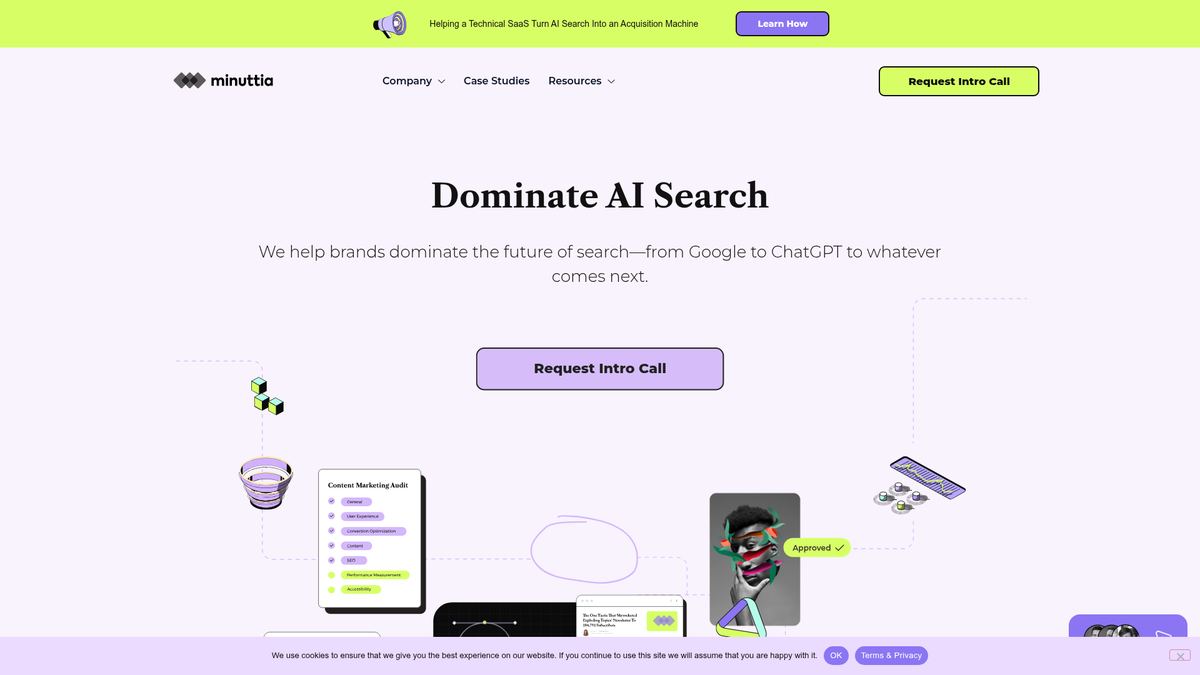
A B2B SaaS content marketing specialist that treats GEO as an extension of an adaptive search playbook, with proprietary AI visibility tracking layered on top. Minuttia publishes its pricing, programs starting around $4,000 a month per its own materials, which puts a verified floor under the conversation before the first call. Its published client work centres on established B2B SaaS brands.
Best for B2B SaaS companies past product-market fit that want a focused specialist at a published mid-market price.
Not for you pre-product-market-fit, or if you need technical SEO and link acquisition in the same contract.
10. NP Digital, best for scale and a recognisable name
 NP Digitalnpdigital.com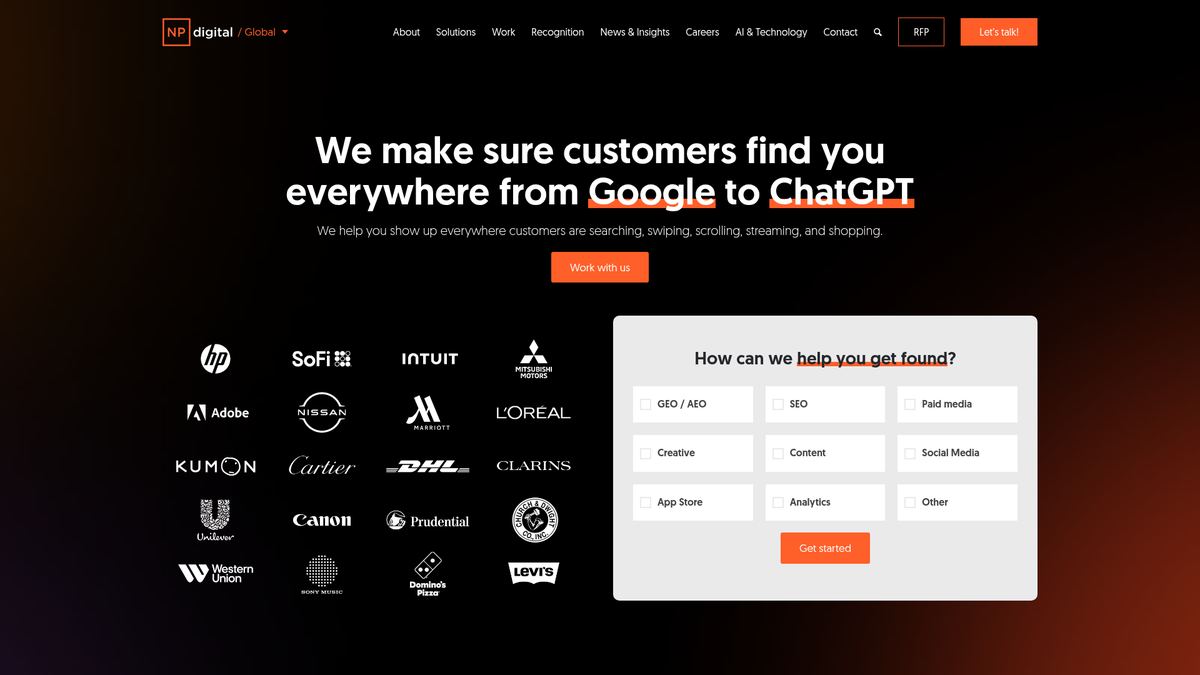
The agency arm of the most recognisable name in search, Neil Patel, running full-service digital with an AI search practice sitting on one of the industry's loudest research and content engines. The scale cuts both ways: an enormous bench, mature process, and the account structure of a large firm, which some teams want and some do not.
Best for brands that want a famous, research-heavy bench, big-agency structure, and a partner nobody in the boardroom will question.
Not for you if you want the senior person from the pitch on your account in month six.
04The best AI search optimization agencies for ChatGPT
Some buyers arrive with one platform in mind, usually ChatGPT, because that is where their prospects namechecked a competitor. The platform-specific question is fair, and it has a real answer.
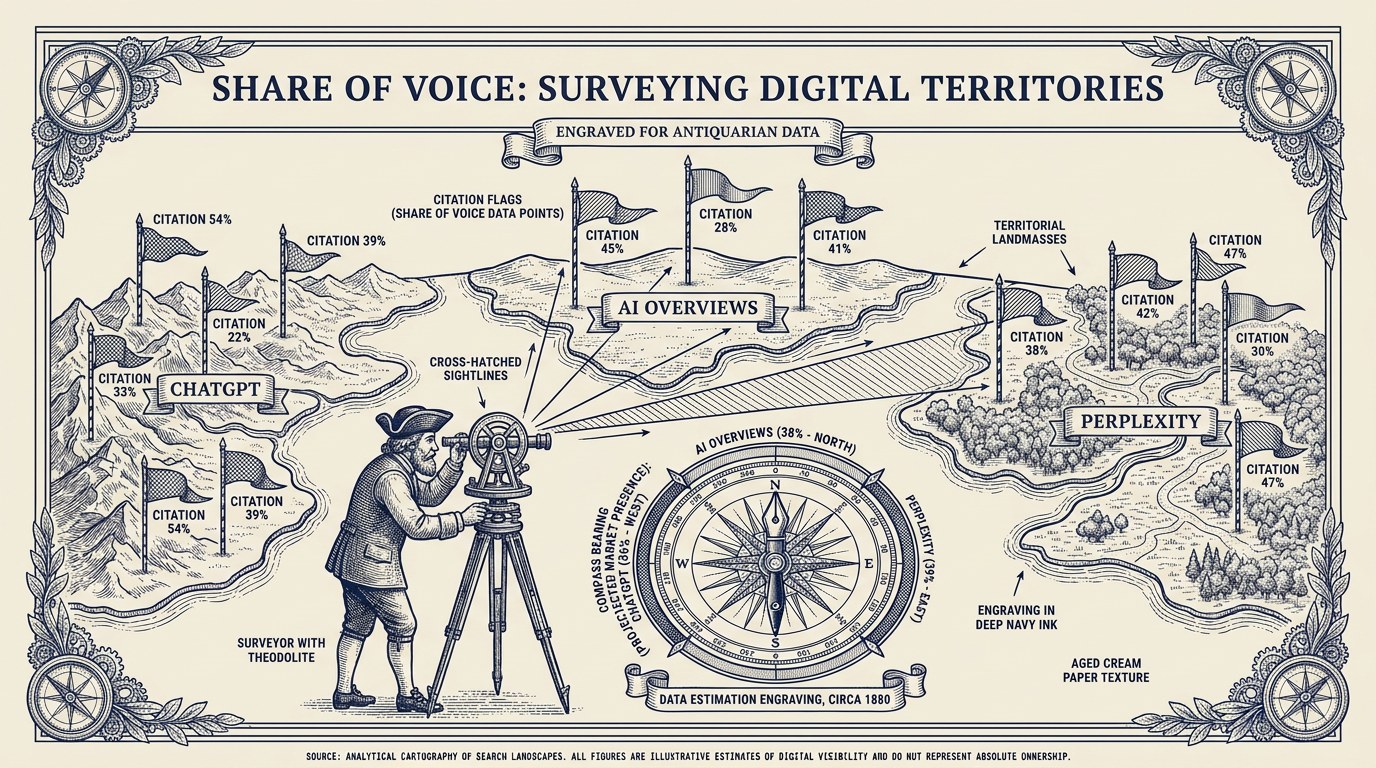
ChatGPT builds answers from a different source mix than Google's AI surfaces, which is why a brand can own AI Overviews and be invisible in ChatGPT the same week; the source-churn research covered above found each model leaning on its own pool of sources. Practically, ChatGPT visibility rewards presence in the listicles, comparison pages, and community discussions its retrieval favours, plus brand mentions in trusted publications even without links.
From the list above, the strongest fits for a ChatGPT-first mandate are the agencies whose work naturally produces those assets: ourselves and Siege on the content-and-placements side, iPullRank on the retrieval mechanics, and Minuttia for teams that want it specialist-sized.
Whoever you pick, make platform-level reporting a condition of the contract. An agency that cannot show you citation counts broken out by platform is not measuring the thing you are buying.
05How to choose a generative engine optimization agency
Five questions that expose the pretenders
Ask which platforms they report on by name, and ask to see a sample report before signing. Ask what tool produces the citation numbers, because a proprietary scorecard nobody can audit is a marketing asset, not a measurement. Ask what they do when a client has no domain authority, since the honest answer is fix that first and the dishonest one is sell GEO anyway. Ask whether the GEO retainer is additive to an SEO retainer and what specifically changes for the extra money. And ask for one named client whose AI visibility you can verify yourself by running the query.
Red flags that end the call
Guaranteed AI Overview placement, which nobody controls. Citation counts with no query set named, since a number without a question behind it means nothing. GEO sold as entirely separate from SEO, contradicting Google's own guidance. A separate premium for the label with no new instrumentation attached. And case studies showing citations without showing whether the brand was recommended or merely referenced, which are different products.
Matching model to stage
Pre-authority companies should buy the foundation first. AI systems cite domains they already trust, so instrumentation on a weak domain measures an absence. Growth-stage B2B SaaS with content running fits the specialists: Minuttia, Omniscient, or ourselves depending on whether you want it bundled. Enterprises with in-house teams should buy the layer they lack, which is usually iPullRank for retrieval mechanics or Go Fish for audits. And if the brand is being described wrongly in AI answers rather than merely absent from them, that is a reputation problem wearing a GEO label, which is a Go Fish conversation.
06What GEO agencies charge
Almost nobody publishes. Minuttia is the exception on this list at roughly $4,000 a month per its own materials, and that single published floor is doing more work for buyers than every other agency's pricing page combined.
| Tier | Monthly | What it usually includes |
|---|---|---|
| Specialist, published floor | $3,000 to $5,000 | Tracking, content optimisation, a defined query set |
| Mid-market program | $5,000 to $15,000 | The above plus authority work, placements and entity cleanup |
| Enterprise | $15,000 and above | Full stack, multi-market, custom instrumentation |
| Add-on GEO line | $1,000 to $3,000 on top of SEO | Ask precisely what changes for it. Often very little |
Ranges as of August 2026. Only one agency on this list publishes a figure.
That last row is where the money leaks. A GEO line billed on top of an existing SEO retainer should come with new instrumentation, a named query set, and platform-level reporting. If it comes with a renamed slide, you are buying an acronym.
07What GEO agencies actually do
Four layers, in the order they have to happen.
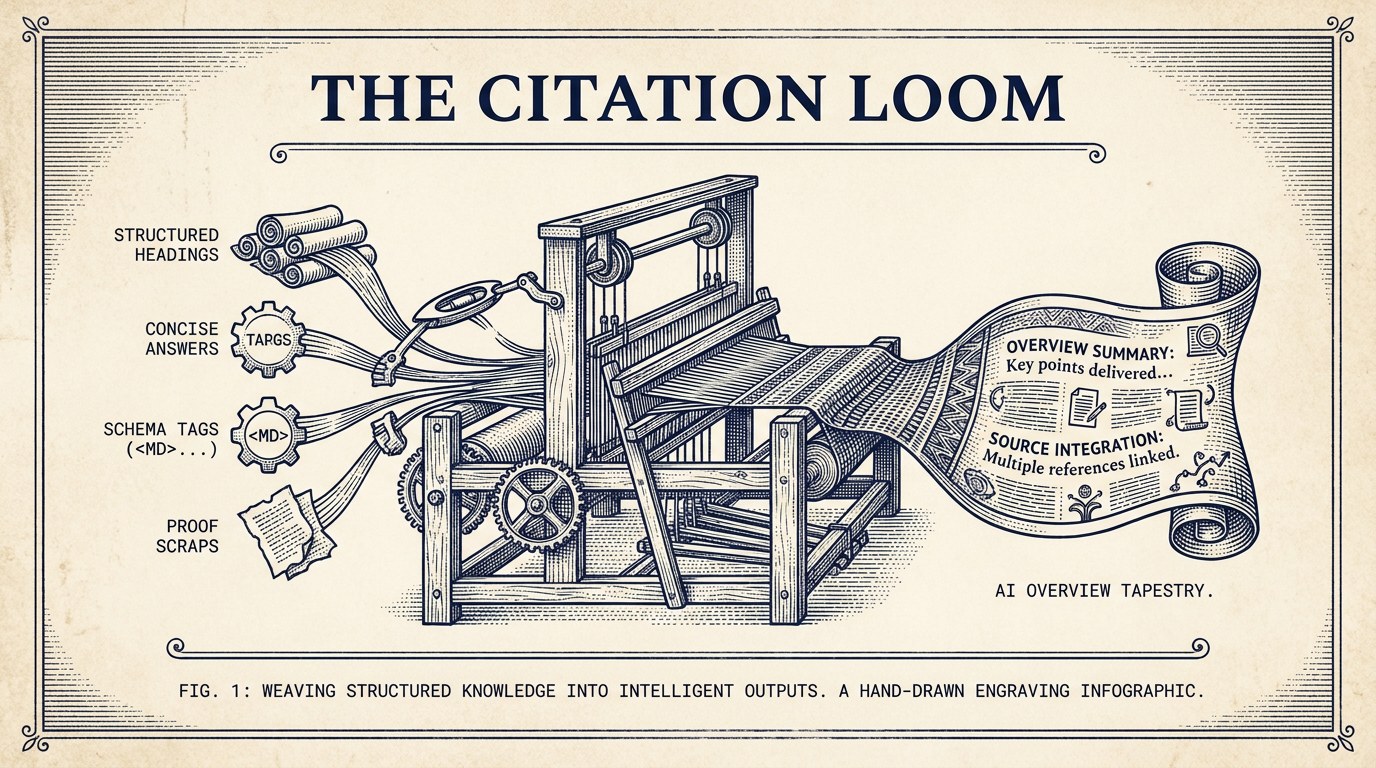
- Authority. AI systems cite sources they already treat as credible. Referring domains, brand mentions in trusted publications, and topical depth are prerequisites rather than extras. This is the layer agencies skip when they sell GEO as standalone.
- Citable content. Answers get assembled from passages, not pages. Content has to be structured so a single block stands alone as a complete, attributable statement, which means definitive language, real numbers, and tables an engine can lift.
- Entity and technical signals. Schema, consistent naming, clean internal architecture, and crawler access for GPTBot, PerplexityBot, ClaudeBot and Google-Extended. The best-formatted passage on a blocked page earns nothing.
- Placement in the sources answers draw from. Listicles, comparison pages, community discussions and vertical publications. This is where AI visibility overlaps almost completely with editorial link building, which is why the two disciplines keep converging, and why the firms on our SaaS link building agency roundup increasingly show up in GEO conversations too.
- Measurement runs across all four. Citation counts per platform, tracked against a fixed query set, with the tool named and the date attached, which is the standard our AI search program reports against.
08What GEO results look like when it works
Two named clients, sourced numbers, client sign-off. Hold every agency on this page to this format, including us.
| Client | AI citations | Platforms | Domain rating | Timeframe |
|---|---|---|---|---|
| Workwize | 700+ | 6 major LLM surfaces | 27 to 71 | 22 months |
| Da Vinci | Near zero to 74 | Google AI Overviews, AI Mode, ChatGPT, Perplexity, Copilot, Gemini | 19 to 55 | 11 months |
Both client-approved. Measured through Ahrefs. Full figures on the Workwize and Da Vinci case pages.
The shape matters more than the total. Citations arrived only after the referring-domain curve bent, never before, which is the single most useful thing we know about this category and the reason the authority layer comes first.
09GEO agency FAQ
What does a generative engine optimization agency do?
It makes your brand the thing AI systems cite and recommend. The work runs across authority building, content structured for passage-level extraction, entity and schema signals, and placement in the sources AI answers draw from. Measurement is citation counts per platform against a fixed query set.
How much does a GEO agency cost?
Credible programs run $3,000 to $15,000 a month, with enterprise above that. Only one agency on this list publishes a figure, Minuttia at roughly $4,000. Treat any quote as an opening position, and ask specifically what a GEO line adds if it sits on top of an existing SEO retainer.
Is GEO different from SEO?
Not as a separate discipline. Google's guidance says optimizing for AI search is still SEO, and the underlying work is the same authority and content foundation. What is genuinely new is the instrumentation: citation tracking per platform against a defined query set. Pay for that, not for the acronym.
Is generative engine optimization a real thing?
The work is real, the label is mostly marketing. A brand can rank on page one and be invisible in ChatGPT the same week, which is the measurable gap that justifies the category. But an agency charging a premium for the name without adding platform-level measurement is selling you a rebrand.
How long does it take to show up in AI answers?
Expect one to two quarters before citations appear, and only after the underlying authority work starts moving. In our own tracking, citations followed the referring-domain curve rather than preceding it. Anyone promising AI Overview presence in weeks is describing something they do not control.
Which agency is best for ChatGPT visibility specifically?
ChatGPT draws from listicles, comparison pages and community discussions more heavily than Google's AI surfaces do. Agencies whose work produces those assets fit best: Siege Media and ourselves on content and placements, iPullRank on retrieval mechanics, Minuttia for a specialist-sized program. If you want ours costed, tell us what you sell.