On this page
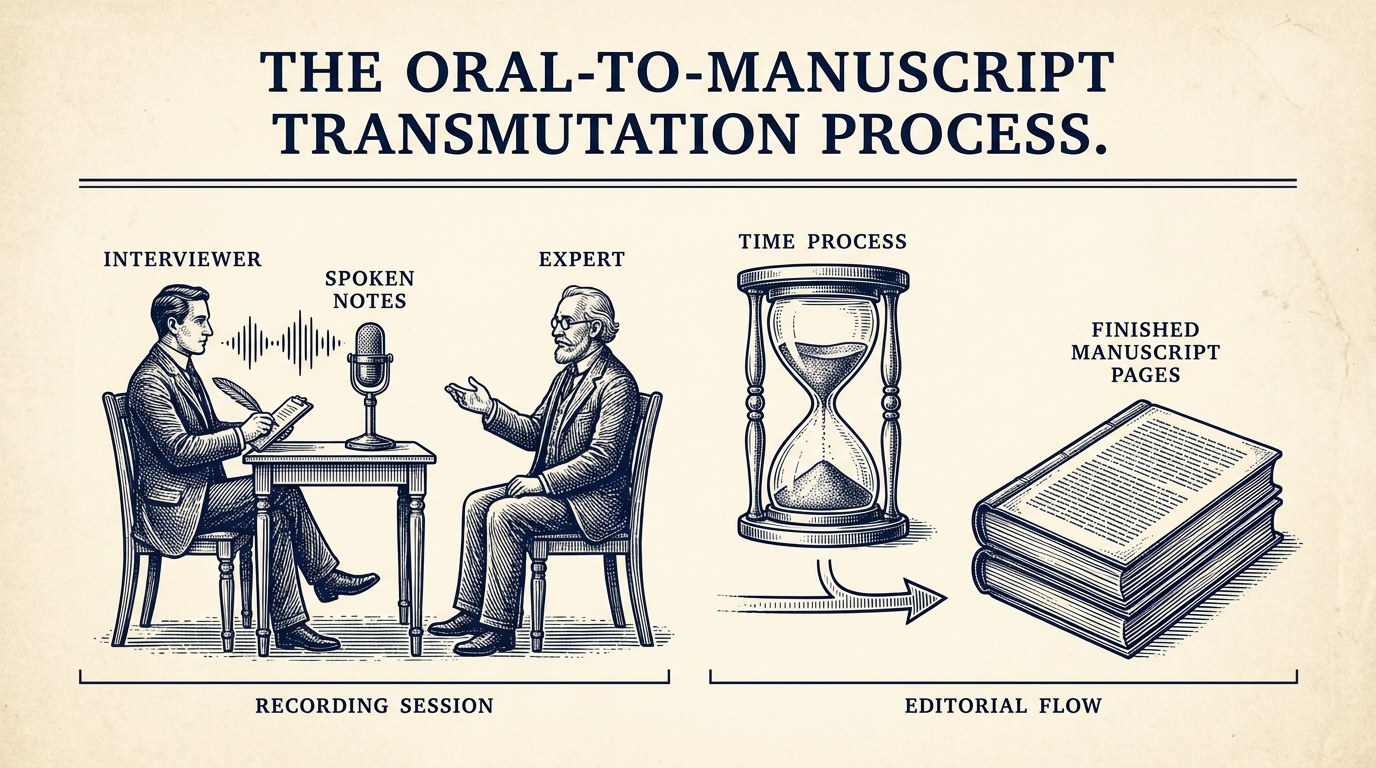
Subject matter expert interviews are the single highest-leverage activity in B2B SaaS content production. A well-run 60-minute interview turns into 2,000 words of ranking content in about 8 hours of writer time. A poorly-run interview turns into 12 hours of writer time and a thin first draft that needs rewriting. The difference is process, not the SME.
This is the interview process we run inside Technotize and inside our clients' content teams. It works for founders, heads of product, AEs, customer-success leads, and external customers. The constraint is the same in every case: the SME's time is expensive and limited, and the writer has to extract a publishable article from a single conversation.
01Why SME interviews matter so much for B2B SaaS
B2B SaaS buyers are sophisticated. They detect content written by people who have not done the work in the first paragraph: vague generalities, missing numbers, generic examples, absence of opinions where opinions matter. The buyer reads "consider implementing a robust integration strategy" and knows the writer has never integrated anything.
SMEs provide what writers cannot. Real-world experience. Specific numbers from real engagements. Contrarian positions earned by having seen things go wrong. The language buyers actually use, because the SME has been on the calls. Anecdotes that turn the article from a category guide into a piece of work only your company could have published.
The downstream effect is bigger than the article. SME-led content is what fuels every E-E-A-T win on the site (see our AI content workflow for how this fits with AI assistance). It is what gets cited in AI Overviews. It is what convinces the buyer that the company on the byline actually does the work the article describes.
02Who counts as an SME
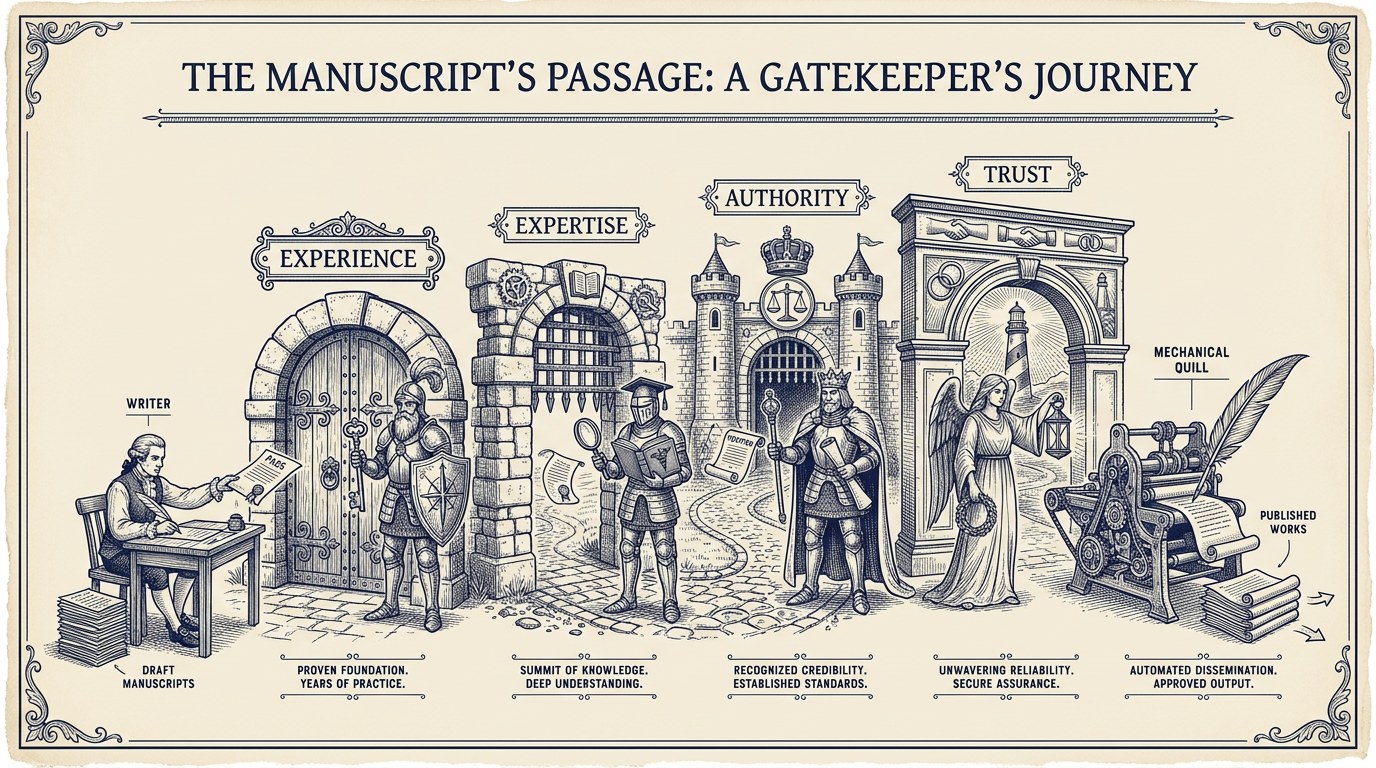
For B2B SaaS content, an SME is someone who has personally executed the work being written about, recently (within 18 months), at a scale relevant to your buyer.
Who counts
A current head of product writing about product-led growth. A founder writing about Series A go-to-market. A senior engineer writing about a specific architecture pattern. A CSM with a named portfolio writing about implementation pitfalls. A real customer writing about their workflow.
Who does not count
A generalist marketing director who has read about the topic. The CEO speaking outside their domain of operational experience. An external thought leader hired to "lend credibility" who has not actually done the work for your category. A junior team member parroting an executive's positioning.
The honesty test is simple: would the SME be able to defend every claim in the article against a sceptical buyer in a live conversation, on the spot, without prep? If yes, they are the right SME. If not, find a different one or restructure the article.
03Pre-interview preparation (writer, 90 minutes)
The single biggest predictor of interview quality is writer preparation. The SME's time is fixed; what changes is how much usable material the writer pulls out per minute.
The brief
Writer arrives with a finished brief: primary keyword, intent, target word count, the strong opinion the article will take, the cluster it slots into. See our content briefs template.
The SERP map
Writer reads the top 10 results for the primary keyword. Identifies which questions are well-covered, which are skimmed, and which are missing entirely. The interview targets the gaps.
The question list
Writer drafts 12 to 18 questions, organized into four buckets: framing (what is the topic and why does it matter), specifics (numbers, examples, named situations), contrarian (where does conventional advice fail), and forward-looking (what is changing). Send the list to the SME 24 hours in advance so they can think.
The recording setup
Confirm consent to record. Use a transcription service the SME has approved (Otter, Fireflies, internal). Test audio before the meeting starts; rerunning a 60-minute interview because of audio failure is the single most expensive mistake in this process.
04Running the interview (60 minutes)
The structure that produces the best material consistently.
Minutes 0 to 5: framing
Writer restates the article's strong opinion and asks the SME if they agree, disagree, or want to refine. This unlocks the most candid material because the SME is reacting to a specific claim rather than freelancing on a topic.
Minutes 5 to 25: specifics
Writer walks the SME through the prepared question list, focused on numbers, examples, and named situations. "Tell me about a specific engagement where this came up" produces ten times more usable material than "what do you think about X."
Minutes 25 to 45: contrarian
Writer asks where the conventional advice on the topic is wrong, where the SME has seen it fail, and what the SME does differently. These minutes produce the strongest opinion sections in the final article.
Minutes 45 to 55: forward-looking
What is changing in the next 12 to 24 months? What does the SME wish more buyers knew? These minutes produce the article's closing sections and the FAQ candidates.
Minutes 55 to 60: cleanup
Writer recaps the three most important quotes back to the SME for confirmation. Asks the SME if there is anything they wish the writer had asked. Confirms which claims need pre-publish legal or PR review.
The temptation is to cover all 18 questions. Resist it. Going deep on six questions produces a better article than going shallow on eighteen.
05Post-interview processing (writer, 60 minutes)
Run within 24 hours while the conversation is still fresh.
Step 1: Skim the transcript
Highlight every specific number, named example, and contrarian opinion. These become the load-bearing parts of the article.
Step 2: Rewrite the outline against the transcript
Each H2 / H3 in the brief now has a flag for which transcript section feeds it. Sections without strong material get cut or rewritten; sections with rich material get expanded.
Step 3: Pull pull-quotes
Identify two to four direct quotes worth featuring inline. Real human voice in the middle of an article is one of the strongest E-E-A-T signals on the page.
Step 4: Flag follow-up questions
If a section needs more material than the interview produced, send the SME two or three follow-up questions in writing. Do not schedule a second interview unless the gaps are large.
Step 5: Write
With the prepared outline and indexed transcript, drafting moves at roughly twice the speed of writing without an SME interview, and the output quality is in a different category.
06The four most common interview failure modes
This section outlines the four primary ways subject matter expert interviews derail, preventing the extraction of valuable, specific insights. Understanding these failure modes allows content marketers to proactively guide conversations and maintain focus. Avoiding these pitfalls ensures efficient and productive interview outcomes.
The SME goes generic
The SME starts answering at the level of a LinkedIn post instead of with operational specifics. Fix: interrupt with "give me a specific example from the last six months." Two interruptions usually reset the conversation.
The SME hedges every claim
The SME refuses to take positions, qualifies every statement, and produces material that reads like a panel discussion. Fix: ask "where do you disagree with the conventional wisdom on this topic?" Repeatedly.
The SME drifts off-topic
The SME has strong opinions on adjacent topics and pulls the conversation toward them. Fix: hold the question list visibly during the call and gently redirect with "we will absolutely come back to that, can we go deeper on the previous question first?"
The writer talks too much
The single most common failure. The writer should be talking less than 20 percent of the time. Every minute the writer is talking, the SME is not producing usable material.
07Scaling interviews across a content team
For a single piece, the writer-SME pair works fine. At three or more pieces per month, it breaks down. The fix is to invest in two pieces of infrastructure.
The interview library
Every recorded interview gets transcribed, indexed by topic, and stored in a searchable library. A single 60-minute interview typically yields material for two or three articles, not one. The library prevents re-interviewing the same SME on the same topic six months later.
The standing question bank
Maintain a spreadsheet of evergreen questions per SME ("specific examples from the last quarter," "what is changing in your domain," "where is the conventional wisdom wrong"). Writers pull from the bank instead of designing every question list from scratch.
These two pieces of infrastructure roughly double the article output per SME hour, which is usually the binding constraint on B2B SaaS content production.
08FAQ
This FAQ addresses critical considerations for SME interviews, from ideal duration and recording methods to engaging busy executives. Discover strategies for leveraging AI and external customers, plus how to maximize content output from each interview hour.
How long should an SME interview be?
60 minutes is the sweet spot. 45 minutes produces material for one article; 90 minutes produces diminishing returns and burns goodwill with the SME.
Should we record video or audio only?
Audio is enough for transcription. Video is useful if you want pull quotes for social or repurposing into a podcast clip. Default to audio unless the repurposing plan is explicit.
How do we get busy founders and execs to do interviews?
Make it easy: send the question list 24 hours in advance, keep the meeting to exactly 60 minutes, deliver a draft within seven days, give them a clear sign-off path (one round of edits, not unlimited). Founders who feel the process is professional come back willingly.
Can we use AI to interview SMEs?
No. The SME's most valuable material comes from the writer asking unscripted follow-up questions in real time. AI can transcribe, summarize, and extract quotes from the transcript afterwards, but the live interview is human work. See our AI content workflow for where AI does belong.
What about external customers as SMEs?
Highest-quality material on the site, hardest to schedule, and requires PR / legal sign-off on the final piece. Worth the overhead for case studies and flagship content; not worth it for routine cluster posts.
How many articles can one SME hour produce?
Two to three articles, on average, when the interview library and standing question bank are in place. Roughly one article per hour without that infrastructure.