On this page
A B2B SaaS technical SEO checklist covers the foundational technical health requirements that determine whether search engines can crawl, render, and index the site reliably. For B2B SaaS programs specifically, the checklist needs to address patterns generic technical SEO checklists miss: JavaScript-heavy SPA frameworks (React, Vue, Next.js, Nuxt) common in B2B SaaS product sites, multi-language site architecture, programmatic page indexability, and the integration of product app subdomains with marketing site SEO signal. The framework below covers what the checklist needs to address, the crawl and discovery requirements, the rendering and JavaScript handling for SPA frameworks, the page experience requirements including Core Web Vitals, the indexation control patterns that prevent the site from accumulating indexed pages that should not be indexed, and the quarterly audit cadence and ownership that prevents the checklist from becoming a one-time exercise.
01What a B2B SaaS technical SEO checklist needs to cover
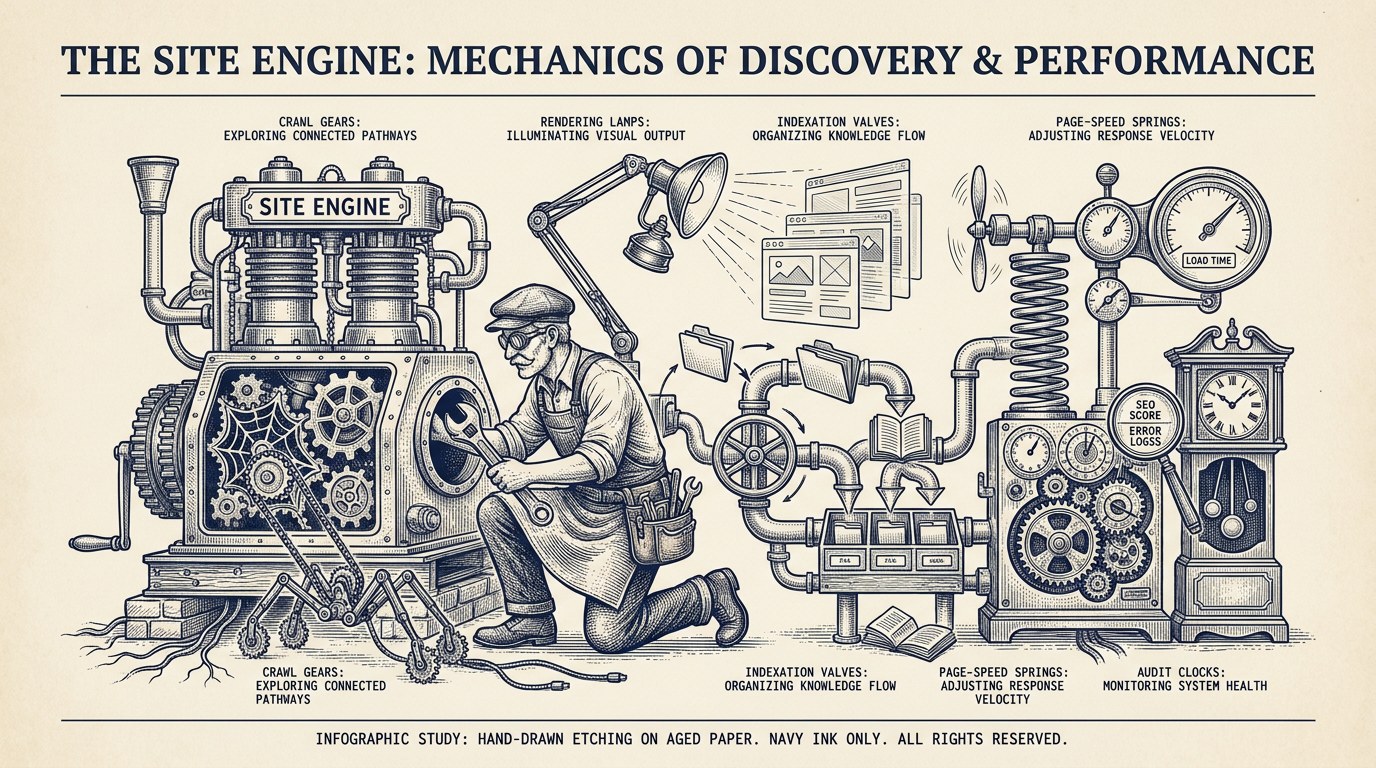
A B2B SaaS technical SEO checklist needs to cover the foundational technical health requirements: crawl and discovery, rendering and JavaScript, page experience, indexation control, and audit cadence. Generic technical SEO checklists cover these categories at a high level but miss the B2B SaaS-specific patterns that produce most of the actual technical SEO debt for SaaS programs.
The four B2B SaaS-specific areas generic checklists miss are: JavaScript-heavy SPA framework handling (React, Vue, Next.js, Nuxt), programmatic page indexability gating (the noindex discipline covered in the programmatic SEO operator framework for B2B SaaS programs), product app subdomain SEO signal integration (how marketing-site SEO connects to app.product.com), and multi-language site architecture (the hreflang implementation covered in the international SEO and hreflang operator framework for B2B SaaS expansion).
This sits inside the technical SEO operator reference under the B2B SaaS SEO pillar and connects to the strategic B2B SaaS SEO operating model at the pillar level.
02Crawl and discovery: ensuring search engines can access the site
Crawl and discovery is the highest-impact category because if search engines cannot crawl the site, nothing else in the checklist matters. The category covers robots.txt configuration, XML sitemap implementation, internal linking architecture, and URL structure consistency.
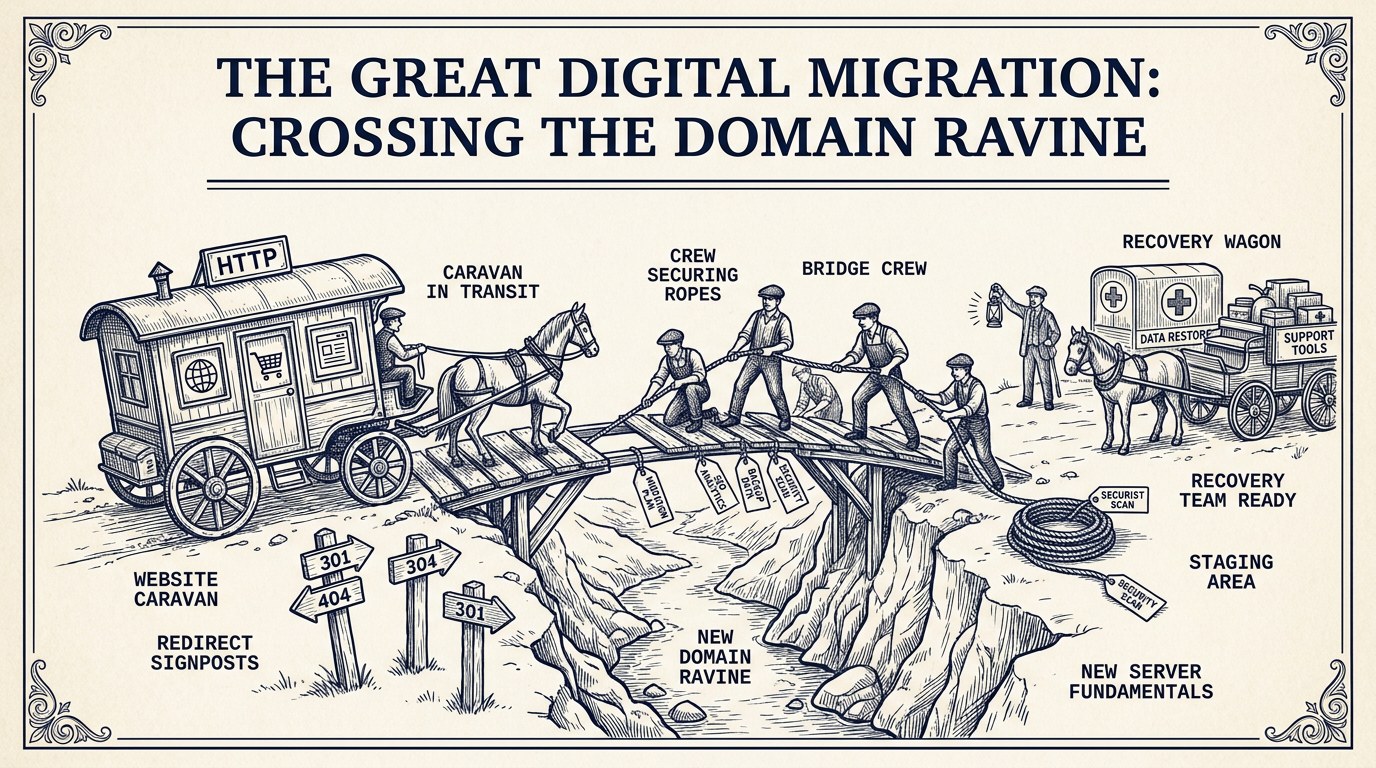
Operational items: robots.txt allows crawl of priority pages and blocks crawl of operational URLs (admin paths, internal search results, filter URLs that should not produce indexed pages). XML sitemap includes all priority pages with lastmod dates accurately reflecting the last meaningful content update. The sitemap submits to Google Search Console and Bing Webmaster Tools and refreshes automatically when new pages publish. Internal linking architecture ensures every priority page receives at least 2 to 3 inbound internal links from other indexed pages. URL structure stays consistent: priority pages do not change URLs after publication; redirected URLs use 301 redirects (not 302 or meta refresh) when restructuring happens. Indexability fundamentals at this level are documented in Google's SEO Starter Guide, which is the canonical Google reference for the basic checks every B2B SaaS technical audit covers in week one.
03Rendering and JavaScript: handling React, Vue, and SPA frameworks
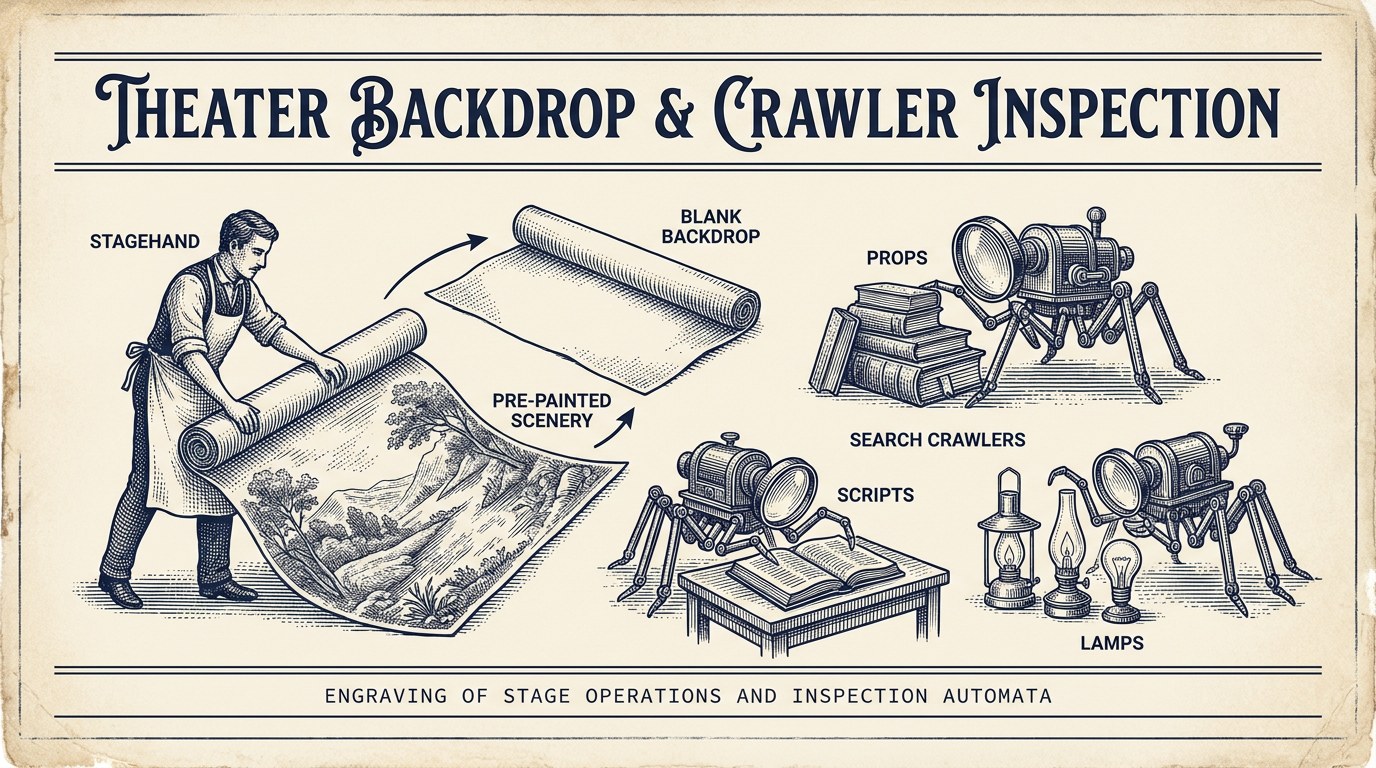
B2B SaaS marketing sites increasingly run on SPA frameworks (Next.js, Nuxt, Remix, SvelteKit) that handle JavaScript rendering differently than traditional server-rendered sites. The rendering decision has three options. Option 1: server-side rendering (SSR). The server renders the full HTML on request, sending complete content to the browser. Googlebot receives complete content on the first pass and indexes correctly. Best for B2B SaaS marketing sites with dynamic content.
Option 2: static site generation (SSG). The site generates static HTML at build time, serving pre-rendered HTML to all requests. Fastest performance and most reliable indexation. Best for B2B SaaS marketing sites with relatively stable content updated weekly or less frequently. Option 3: dynamic rendering. The server detects Googlebot and serves a pre-rendered version while serving JavaScript-rendered content to users. Acceptable but Google has indicated dynamic rendering is a workaround rather than a recommended approach; SSR or SSG are preferred.
Programs running pure client-side rendering (CSR) without SSR, SSG, or dynamic rendering see 30 to 60 percent of pages fail to index or rank reliably. The pattern produces ranking failures that look like content quality problems but are actually rendering problems. This connects to how AI Search engines retrieve and rank content, where rendering and indexability also affect AI Search citation pickup. The LCP, INP, and CLS thresholds themselves are defined in Google's Core Web Vitals reference on web.dev, which is the canonical specification for what each metric measures and the passing thresholds at the 75th percentile.
04Page experience: Core Web Vitals and B2B SaaS patterns
Page experience covers Core Web Vitals (LCP, INP, CLS) plus the broader patterns Google has historically weighted in page experience ranking signals. For B2B SaaS marketing sites, the Core Web Vitals targets are: LCP under 2.5 seconds, INP under 200ms, CLS under 0.1.
The targets are achievable for most B2B SaaS marketing sites with three operational interventions. Intervention 1: image optimization. Serve images in next-gen formats (WebP, AVIF) with appropriate sizing for the viewport. Lazy-load below-the-fold images. Intervention 2: JavaScript bundle optimization. Code-split the marketing site bundle so each page loads only the JavaScript it needs. Defer non-critical JavaScript. Intervention 3: critical CSS extraction. Inline critical above-the-fold CSS and defer the rest. These three interventions typically move B2B SaaS marketing sites from failing Core Web Vitals to passing within 2 to 4 weeks of engineering work.
Page experience is moderate impact for ranking but high impact for conversion. B2B SaaS sites that improve LCP from 4 seconds to 2 seconds typically see 15 to 30 percent improvement in marketing-site conversion rate independent of any ranking change. This is the strongest business case for prioritizing Core Web Vitals work. The structured-data vocabulary itself is documented at Schema.org's structured data reference, which is the canonical source for required and recommended properties on every schema type a B2B SaaS site implements.
05Indexation control: managing what gets indexed
Indexation control covers what gets indexed and what should not. B2B SaaS marketing sites typically accumulate 500 to 5,000 indexed pages over multi-year operations that should not be indexed: filter URLs (faceted navigation parameters), sort URLs, internal search results, test pages from staging environments that leaked to production, archive pages, paginated pages beyond page 5, tag pages with low content depth.
The accumulation degrades site-wide quality signal and the rankings of priority pages. The fix is quarterly indexation audit. The audit pulls all indexed pages from Google Search Console, segments by URL pattern, and identifies which patterns should remain indexed versus which patterns should get noindex applied. Common noindex patterns for B2B SaaS marketing sites: faceted navigation parameters (?filter=), internal search results (/search?), test pages, paginated archives beyond a threshold, tag pages with under 5 items.
Programs running indexation control discipline see 60 to 85 percent of indexed pages aligned with priority pages; programs running without discipline see 30 to 50 percent alignment. The discipline is high-impact because the indexed-page set is what Google evaluates for site-wide quality signal, and a heavily diluted indexed-page set produces ranking suppression on the priority pages that should rank.
06Quarterly technical SEO audit cadence and ownership
The quarterly audit cadence runs the full checklist (crawl, render, page experience, indexation) once per quarter with named ownership for each category. Crawl and discovery typically owns by the SEO team. Rendering and JavaScript owns by the engineering team. Page experience owns jointly by engineering and design. Indexation control owns by the SEO team with engineering execution support.
The cadence prevents technical SEO debt accumulation between audits. Programs running annual audits accumulate 12 months of debt that produces sudden ranking drops when the debt compounds past a threshold. Programs running ad-hoc audits typically miss the systematic categories and over-focus on whatever symptom triggered the ad-hoc audit. The quarterly cadence with full-checklist coverage is the discipline that produces compounding technical SEO health rather than reactive firefighting. The operational workflow for these audits is documented in Screaming Frog's user guide, which is the standard reference for configuring crawls, identifying indexability issues, and validating fixes at template-page scale.
If you want a technical SEO health check against this framework, book a 30-minute conversation about your technical SEO setup and we will run the checklist against your current site, identify the highest-business-impact items to address first, and propose the audit cadence calibrated to your engineering capacity.